
Introduction
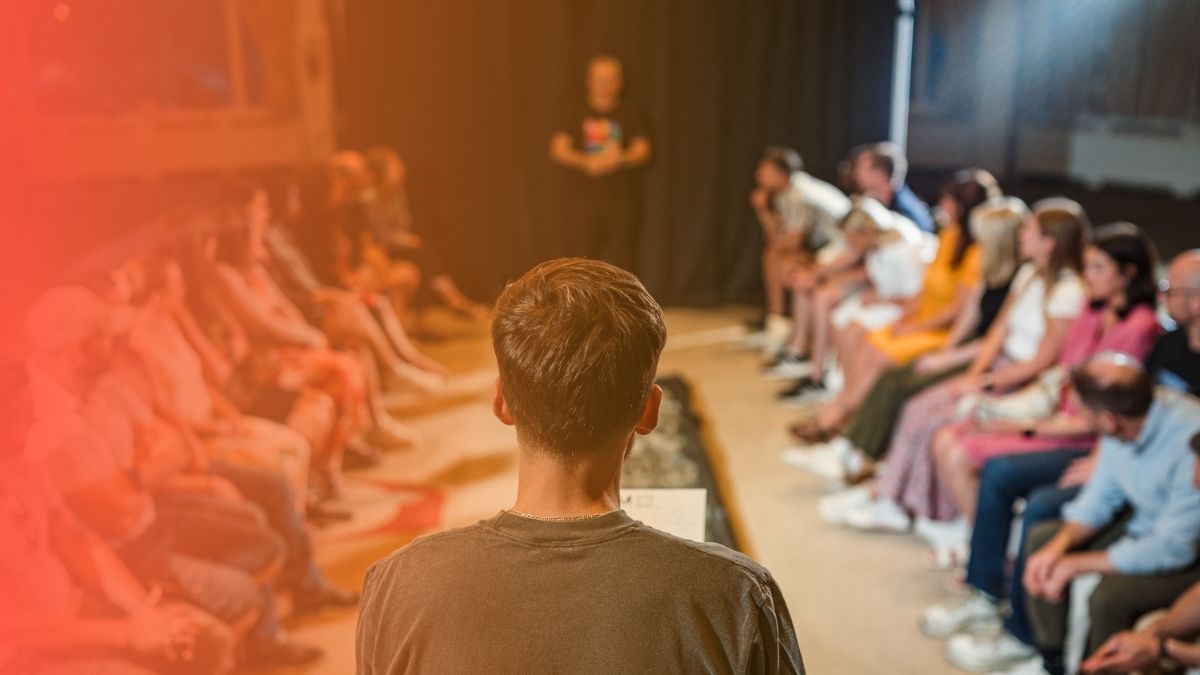
Organizing a team-building activity has become a reflex in many companies. Whether to celebrate a success, integrate new members or simply break the routine, these moments are often synonymous with fun, laughter... and photos in the team's Slack channel.
But beyond the fun, what real impact these activities have on team cohesion ? Can a cooking workshop or a treasure hunt really build stronger, more effective teams in the long term?
In an ever-changing business environment - telecommuting, staff turnover, pressure to deliver - team cohesion can no longer be left to chance. It must be cultivated, measured and intentionally reinforced. This is where the combination of punctual pleasure and lasting impact comes into play.
Why team building alone is no longer enough
The trap of the isolated event
It's easy to believe that a pleasant moment with colleagues is enough to strengthen bonds for good. But in reality, the effects of a team building in isolated events quickly fade if there is no follow-up to anchor learning in the team's day-to-day reality. Without measure or continuityHowever, the benefits remain superficial: a good memory, yes, but not necessarily a change in collaborative habits.
The illusion of cohesion
Team cohesion isn't just about "getting along". It includes the clarity of roles, the quality of communications, the ability to manage tensions and collaborate effectively under pressure. But these elements are not usually not explicitly addressed in traditional team building activities. That's why moving towards more strategic team coaching is a more sustainable solution.
Towards a lasting impact: four essential conditions
1. Clear intention
Before you choose an activity, make sure you understand what you want to reinforce Trust? Communication? Recognition? Effective team coaching starts with a shared objective, aligned with the team's reality. The magic of successful team building is often the preparatory call and the shared alignment between intentions and activity.
2. Build on shared experience
For an activity to have a lasting impact, it must create a strong memory. Memorable moments, which combine emotion and learning, leave a deep mark on the collective memory. Whether it's a collaborative challenge, an inspiring story or a moment of achievement, the important thing is that everyone finds a personal and collective connection.
3. Regular follow-up
A cohesion activity is not an isolated event, but the starting point of a process. Plan anchoring moments afterwards: team discussions, individual reflections, concrete adjustments to the way we work together (e.g. feedback rituals, communication rules, priority charts). Team building must be part of the overall strategy.
4. Measuring progress
What gets measured gets improved. Without measurement, it's impossible to know if we're making progress! This is whereTeam Cohesion Index (TCI) becomes a powerful ally: it establishes a baseline, sheds light on priorities for action, and makes it possible to track progress over time.
Successful team building isn't a one-off event, it's a strategic approach designed to improve team performance.
- Gabriel Renaud, Hubu co-founder
ICE: much more than a team-building activity
An engaging experience AND a diagnostic tool
The ICE is not just a questionnaire: it's a collective experience which gets the team thinking constructively. In concrete terms, each member answers a structured set of items linked to the pillars of cohesion. The results are presented clear, visual and action-orientedto prioritize the levers to be activated.
- Empirical model rooted in the field
- Easy to interpret
- Longitudinal follow-up measures change over time
- Easy to install and fast
- Accessible for all sizes of organization
A concrete example: the Mirador case
The Mirador Group organization has integrated ICE into its annual team development cycle. In less than a year, it has seen a considerable progress of its overall cohesion score, measured with the same tool.
The service we offer at Hubu goes far beyond team building. It's a strategic approach, designed to profoundly improve team functioning and performance.
This result is not due to a single magical activity, but to a combination of structured approach sincere discussions, collective adjustments and intentional follow-up. And it all began with a clear diagnosis.
Examples of team building activities with high cohesion potential
Here are some ideas deep and playful - especially if they are followed by a guided reflection and a before/after measured with ICE :
- TeamTalk A game to stimulate sincere conversations about feedback, recognition and listening.
- Alibelo (photolanguage) Identify team strengths and dynamics through images, to facilitate expression and alignment.
- Team challenges (creative challenges): co-solving problems under pressure, to build trust and coordination.
- Talking circles A space for regular exchange, with rules of listening and respect, to deal with sensitive issues without tension.
Tip: combine an activity with a ICE before and after measurement to see concrete progress and reward learning.
Conclusion: what if your next team building had a real impact?
Team cohesion cannot be decreed. It is built with intention, continuity... and a good thermometer to measure relationship dynamics. The ICE enables you to move from a single event to the transformation process Every activity, no matter how playful, becomes a strategic lever.
Ready for action?
- Discover ICE and see how it fits into your reality
- Read the Mirador case study (+4% cohesion in less than a year)
- Planning a tailor-made team building activity
